Engineering Valentine’s Jewelry Sets: Cavity & Ribbon Specs
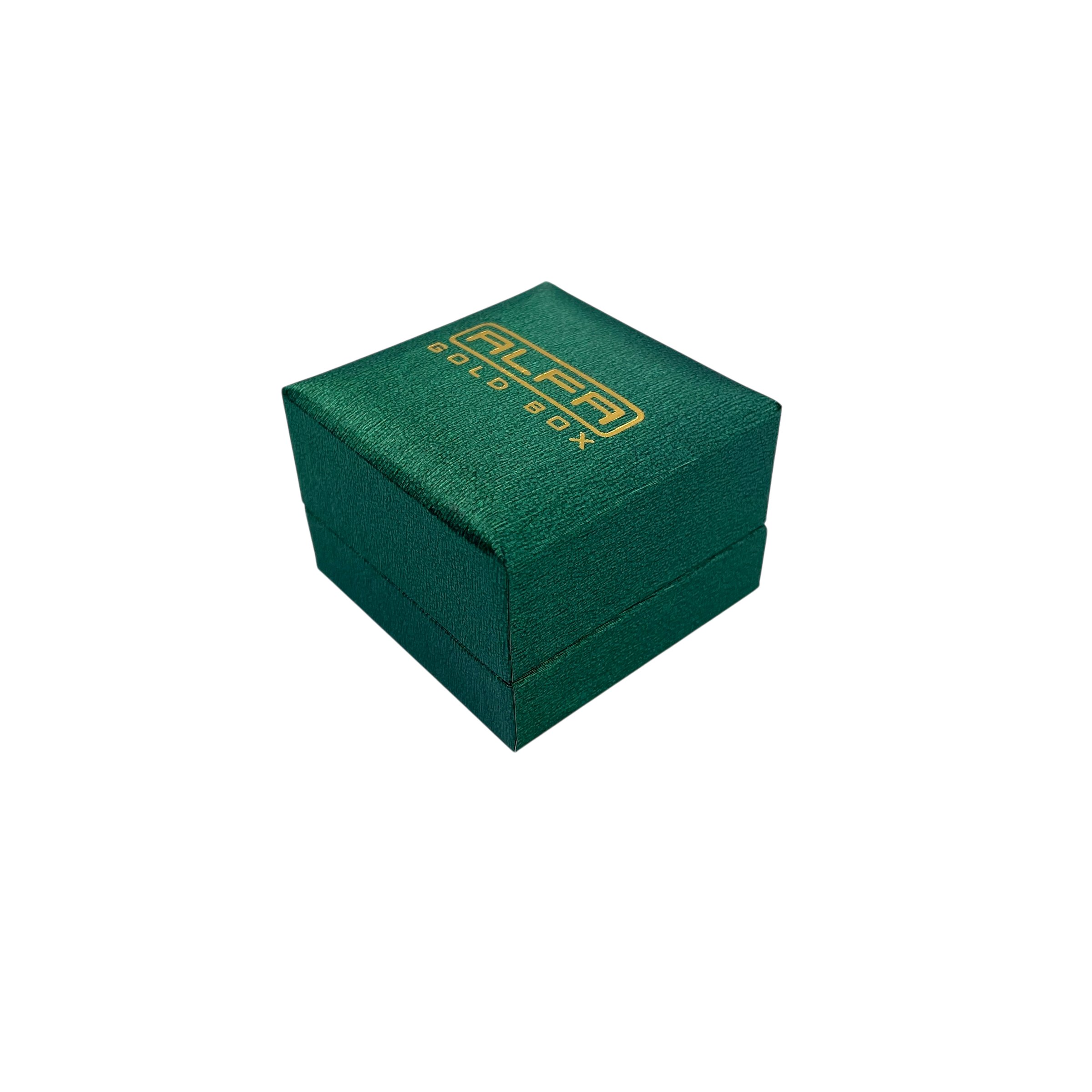
Precision Engineering for High-Stakes Gifting
Valentine’s Day represents one of the most commercially critical gifting windows of the calendar year. For jewelers, the presentation must do more than simply shelter fine metal and gemstones; it must orchestrate an emotional reveal. When crafting curated sets—such as paired wedding bands, his-and-hers promise rings, or matching pendant-and-earring suites—standard off-the-shelf packaging often fails to deliver the tailored fit required for high-value items.
Understanding exact valentines day jewelry box specs prevents devastating unboxing flaws: rings sliding out of place, high-profile diamond solitaires abrading against lid liners, or tangled chain runs. By engineering insert cavity depths, slot tolerances, and closure ribbons to strict millimeter standards, luxury brands can safeguard their jewelry while dramatically elevating perceived value. For a foundational overview of packaging structures, explore our complete guide to luxury jewelry packaging.
Custom Double Ring Box Dimensions and Slot Tolerances
Paired rings demand deliberate spacing. Whether presenting matching bridal sets or couples’ rings, configuring custom double ring box dimensions requires balancing band widths, stone elevations, and structural grip.
Slot Distance and Center-to-Center Spacing
A frequent error in double ring packaging is placing slots too close together. If a gentleman’s band (typically 5 mm to 8 mm wide) sits adjacent to an engagement ring featuring a halo or high-set stone, lateral contact during transit can cause micro-scratches. The optimal center-to-center distance between dual slots is 20 mm to 24 mm. This spacing maintains visual symmetry while guaranteeing a minimum 8 mm safety buffer between the widest contact points of the jewelry.
Slit Depth and Foam Core Density
Standard ring pads often use low-density polyfoam that fatigues quickly. For luxury collections, high-density EVA (ethylene-vinyl acetate) laminated with velvet-touch flocked paper or plush suede boxes provides superior shape memory.
- Slit Depth: Slits should penetrate 12 mm to 15 mm into an 18 mm thick insert. A 3 mm solid EVA base layer must remain intact beneath the cut to avoid bottoming out against the rigid bottom board.
- T-Cut vs. Straight Cut: For standard bands under 3 mm, a laser-cut straight slit provides a clean grip. For wider men’s bands or bezel designs, an engineered “H-cut” or micro-notched “T-cut” (1.5 mm horizontal notch) relieves insert tension, preventing unsightly puckering around the entry point.
- Substrate Density: EVA foam should be specified at 38–45 kg/m³ to deliver firm resistance without demanding excessive insertion force from showroom staff.
Vertical Lid Clearance
Cathedral settings and high-prong diamond solitaires can sit 8 mm to 11 mm above the finger plane. When nested into the slot, at least 16 mm of total vertical clearance is required between the insert surface and the inside lid liner. In a classic hinged boxes profile, allocating a minimum internal box depth of 45 mm ensures the stone does not brush the upper lid during closure.
Multi-Piece Set Cavities: Pendants, Earrings, and Bracelets
Valentine’s gift suites frequently pair a necklace with drop earrings or a tennis bracelet. Structuring multi-item jewelry box sets requires meticulous cavity zoning to keep components secure and orderly.
Pendant and Chain Management
Pendants should nest in a CNC-routed or custom-stamped recess measuring 2.5 mm to 4 mm deep, tailored to the pendant silhouette. To prevent the chain from shifting across the focal element, dual hidden top-notches angled at 45 degrees direct the chain behind the insert card. The reverse side should feature a recessed pocket or elastic anchor strap to retain surplus chain slack, preventing tangles during delivery.
Earring Recesses
Stud and drop earrings require distinct engineering. Studs benefit from dual cross-piercings separated by 15 mm to 18 mm. Drop earrings demand routed directional channels (minimum 2 mm deep) lined with anti-tarnish microfibre or flocked material. This holds the drop elements rigid and aligned parallel to one another during shipping.
Luxury Gift Box Ribbon Specifications: Tail Lengths and Finishes
Ribbons transform packaging from a static container into an interactive ceremony. However, imprecise ribbons look untidy and hinder smooth operation. Adhering to professional luxury gift box ribbon specifications ensures every box ties into a clean, uniform bow.
Calculating Optimal Ribbon Tail Length
For an exterior wrap or magnetic flap tie, ribbon length must be calculated mathematically based on box volume and bow geometry:
- Ribbon Width: 15 mm to 25 mm double-faced polyester satin ribbon represents the luxury standard, delivering substantial hand-feel without overpowering smaller ring or pendant boxes.
- Tail Length: Each free ribbon end should measure 120 mm to 150 mm beyond the box edge. This allows showroom staff or retail consumers to tie a symmetrical bow with tails hanging 35 mm to 45 mm below the loops.
- Tail Angling: Ribbon tails should always be cut at an exact 45-degree angle using an ultrasonic hot-knife. Thermal edge-sealing prevents fraying even after repeated tying and untying.
Anchor Reinforcement
On a custom magnetic box, ribbons must never be simply glued to the top paper layer. Alfa Gold Box anchors ribbons directly between the 1,200–1,800 gsm greyboard shell and the outer covering paper, secured with industrial cross-bond adhesive. This structural reinforcement ensures the ribbon withstands up to 6 kg of continuous pulling tension without lifting the exterior paper wrap.
Materials, Linings, and Outer Textures
The tactile journey must complement the internal engineering. Shells built from premium cardboard (birinci sınıf karton) provide the structural integrity required to maintain tight insert tolerances. Depending on your brand aesthetic, packaging exteriors can be finished in:
- Soft-Touch and Metallic Papers: For modern, sleek jewelry lines, explore our metallic paper jewelry boxes, which capture ambient retail light and elevate foil-stamped branding.
- Textured PVC-Coated Paper: For a tactile, high-durability finish, leather-look PVC papers—including sophisticated croco and wavy patterns—resist scuffs during courier transit.
- Suede and Velvet Liners: Rich flocked paper or genuine suede cloth delivers a soft backdrop that accentuates precious metals and absorbs shipping vibrations.
Outer visual accents such as gold or silver foil stamping (yaldız), localized spot UV, and crisp blind embossing (gofre-kabartma) enhance brand identity while preserving exterior dimensional stability.
Bringing Bespoke Collections to Life
Balancing tolerances, custom cavities, and ribbon specs can be visualized instantly before moving into production. Jewellers can use the Alfa Gold Box 3D jewelry box design tool to select materials, customize dimensions, experiment with seasonal hues, and preview their logo in real-time 3D.
As an Istanbul-based luxury packaging manufacturer exporting to more than 40 countries, Alfa Gold Box collaborates with independent jewellers and global luxury brands seeking high-end jewelry packaging box wholesale solutions. Our standard production lead time is 25–30 days, backed by competitive minimum order values starting around €1,000 per order. Whether you require bespoke dimensions for seasonal drops or comprehensive jewelry boxes wholesale lines, our engineering team handles full custom branding and worldwide logistics through vetted partner carriers or convenient handover to your freight forwarder in Türkiye.
For tailored technical consultations and instant pricing, contact Alfa Gold Box directly via WhatsApp at +90 535 252 80 83, email [email protected], or connect on Instagram @alfagoldbox.


0 Comments